
Why Healthy Bernedoodles Cost More
Table of Contents
What Goes Into a Responsible Breeder's Price
Bernedoodle Health Testing and DNA Screening
Size, Coat Color, and Genetic Traits
Understanding Bernedoodle Health Guarantees
Bernedoodle First-Year Costs Beyond Purchase Price
Questions to Ask a Bernedoodle Breeder
Red Flags: When Price Signals Poor Breeding Practices
Conclusion
Frequently Asked Questions
Last Updated: October 16, 2026
What Goes Into a Responsible Breeder's Price
When healthy Bernedoodles cost more, the difference is what a breeder spends before a puppy leaves home.
Puppy veterinary care before pickup. Most responsible breeders have each puppy examined by a veterinarian, begin age-appropriate vaccines, deworm on a schedule, and microchip before pickup, per-puppy costs multiplied across the litter.
Early socialization and enrichment. Puppies go through a sensitive developmental window in their first weeks.
Genetic matching and record-keeping. A responsible breeder reviews clearances, carrier status, and pedigree to avoid combining two carriers of the same recessive condition, then submits results to public databases.
What a price typically includes, and what it may not. Before you compare two quotes, ask each breeder to itemize. Common inclusions are:
Microchip and microchip registration
Age-appropriate vaccinations and deworming
Veterinary exam record
A written health guarantee and sales contract
Starter food, a scent item from the litter, and basic care instructions
Limited post-sale support by phone or email
Common exclusions, items that may appear as separate charges or not at all:
Spay or neuter surgery
Shipping, ground transport, or flight nanny fees
Registration paperwork with a breed registry or club
Training, grooming, or boarding after pickup
Extended health warranties or insurance
Pro Tip Ask for the itemized list in writing before you place a deposit. Two breeders quoting the same headline price can differ by several hundred dollars once transport, registration, and starter supplies are added.

A cheaper option often skips these steps. A backyard breeder may not test parents, socialize puppies, or provide full veterinary care, saving money now but shifting risk to you later.
Bernedoodle Health Testing and DNA Screening
Bernedoodle health testing is the biggest factor separating responsible breeders from the rest. Screening prevents inherited conditions from passing to puppies. What does it include?
Hip and elbow evaluations. These assess joint structure and screen for dysplasia, a condition that causes arthritis and pain. The Orthopedic Foundation for Animals (OFA) provides standardized screening that responsible breeders use.
Eye exams. A veterinary ophthalmologist checks for inherited eye diseases. Progressive retinal atrophy and other vision problems can run in both Bernese Mountain Dogs and Poodles.
DNA testing. Genetic markers identify carriers of recessive conditions. Tests screen for issues like von Willebrand's disease and other inherited disorders specific to the parent breeds.
Cardiac screening. Heart evaluations catch structural problems before breeding occurs.
According to the Orthopedic Foundation for Animals health database, breeders who submit health clearances create a public record. You can look up any dog's test results. Responsible breeders want this transparency.
When a breeder says their dogs are "health tested," ask for proof: OFA numbers and actual test results, not just a claim. A responsible breeder provides documentation without hesitation; if they won't, that's a red flag.
Health testing runs into hundreds of dollars per dog, but it's the only way to reduce the risk of genetic problems in puppies.
Size, Coat Color, and Genetic Traits
Bernedoodle size categories affect pricing, but not always in the way new buyers expect. The three main sizes are tiny, mini, and standard Bernedoodles.
Tiny Bernedoodles (under 12 pounds) require careful breeding. Smaller parent dogs limit the gene pool, and tiny size can increase health risks if breeders prioritize size over health.
Mini Bernedoodles (12-25 pounds) are popular with families who want a manageable size without extreme breeding challenges. Mini pricing tends to be moderate.
Standard Bernedoodles (40-90 pounds) come from larger parent dogs.
Coat color and markings also play a role.
The real question isn't what size or color you want, but whether the breeder prioritized health and temperament. Healthy Bernedoodles cost more because the breeder invested in testing and care, not cosmetic traits.
Understanding Bernedoodle Health Guarantees
A health guarantee is your protection against genetic problems. But not all guarantees are equal.
What a real health guarantee covers:
Genetic conditions present at birth or diagnosed within a specific timeframe (often one to two years)
Hip dysplasia, elbow dysplasia, and other joint problems
Inherited eye diseases and vision problems
DNA-linked conditions like von Willebrand's disease
What a guarantee typically does NOT cover:
Accidents, injuries, or environmental illness
Problems caused by improper care or nutrition after adoption
Behavioral issues unrelated to genetics
Conditions that appear after the guarantee period ends
JM Kennels provides a 72-hour health guarantee, a one-year guarantee, and a two-year health guarantee, giving you time to get a puppy checked by your own veterinarian and protecting you if genetic issues emerge later.
The key question: What happens if your puppy develops a covered condition? A responsible breeder will either replace the puppy or refund your money, the best stand behind their work with a real commitment.
Ask directly: "If my puppy is diagnosed with hip dysplasia at age three, what will you do?" A vague response or refusal to commit is a warning sign.
A health guarantee costs the breeder money in potential liability, another reason healthy Bernedoodles cost more.
Bernedoodle First-Year Costs Beyond Purchase Price
The purchase price is just the beginning. First-year costs for a Bernedoodle puppy add up quickly.
Veterinary care in year one:
Initial wellness exams and puppy vaccines (if not completed by the breeder)
Spay or neuter surgery (typically done between 6-12 months)
Heartworm, flea, and tick prevention for 12 months
Any unexpected illness or injury
Supplies and equipment:
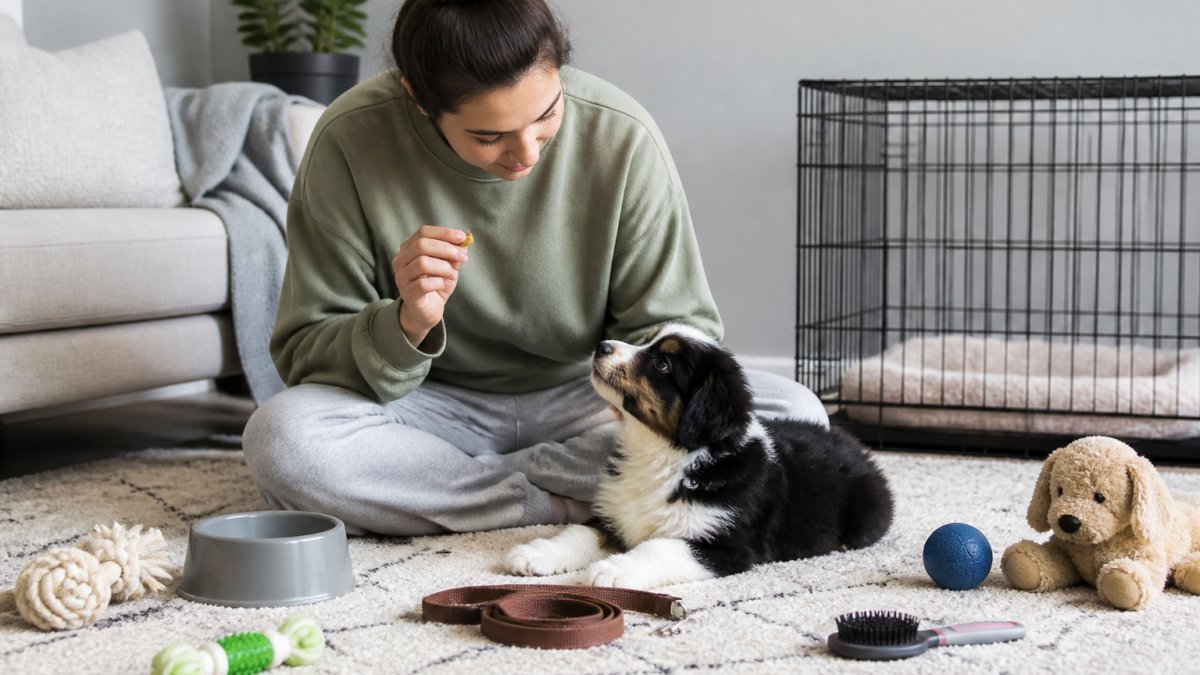
Crate, bed, food bowls, and leashes
Collar, ID tag, and microchip registration
Food (quality matters for growing puppies)
Toys and enrichment items
Training and socialization:
Puppy kindergarten classes (highly recommended)
Professional trainer for basic obedience
Time investment for at-home training
Grooming:
Bernedoodles have coats that need regular maintenance
Initial grooming supplies or professional grooming sessions
Nail trimming, ear cleaning, and dental care
A responsible breeder prepares you for these costs, offers guidance on food, training, and veterinary care, and stays available throughout the first year. A breeder who disappears after the sale is cutting corners on support.
Questions to Ask a Bernedoodle Breeder
Before committing to a puppy, ask these questions. The answers reveal whether a breeder is responsible or cutting corners.
About health testing:
Can you provide OFA numbers and test results for both parents?
What genetic conditions do your dogs screen for?
Do you test for hip dysplasia, elbow dysplasia, and eye problems?
Are your breeding dogs DNA tested? What conditions do those tests screen for?
About breeding practices:
How often do your breeding females have litters?
What is your breeding philosophy? How do you decide which dogs to breed?
Do you ever retire breeding dogs? Where do they go?
How many litters do you have per year?
About puppies and support:
What does the price include? (Microchip, vaccines, deworming, etc.)
What is your health guarantee, and what does it cover?
Will you take the puppy back if things don't work out?
What support do you provide after adoption?
Red flags in the answers:
"I don't do health testing because my dogs are healthy."
"My dogs have litters every year."
"I can have a puppy ready in two weeks."
"The price is non-negotiable and non-refundable."
Unwillingness to provide health documentation
No interest in where puppies go or how they're doing
A responsible breeder will answer these questions thoroughly, and ask YOU questions too.
Red Flags: When Price Signals Poor Breeding Practices
Price alone does not prove health or ethics, in either direction. A low price can hide skipped testing, and a high price can be pure marketing. What matters is whether the breeder can document what the price pays for.
Prices that are unusually high. A premium is only justified by something verifiable: documented clearances on both parents, a health-screened pedigree, or training and socialization beyond the norm.
Verification checklist before you pay a deposit.
Ask for the registered names or microchip numbers of both parents, then look up their OFA records yourself in the public database. Confirm hip, elbow, cardiac, and eye results are listed and current.
Ask for the DNA test panel results for both parents, not a summary. Confirm which conditions were tested and whether either parent is a carrier.
Ask to see the puppy's veterinary exam record and vaccination dates in writing.
Read the contract before signing. Confirm what the health guarantee covers, how long it runs, whether the remedy is a refund or a replacement, and whether you must return the puppy to claim it.
Confirm whether the breeder will take the dog back at any age if your circumstances change.
Ask for two or three recent buyer references and actually call them.
Visit in person or request a live video walkthrough of where the puppies are raised.
Scam and pressure patterns to watch for.
A deposit requested before you have seen records, a contract, or the puppy on video
Payment by wire transfer, gift card, or payment app with no written agreement
A breeder who cannot answer basic questions about the dam's health history
Multiple litters "ready now" with no waiting list or application
A guarantee that is verbal only, or that voids if you take the puppy to your own veterinarian
Prices that swing widely between puppies with no stated reason
A breeder who discourages a pre-purchase veterinary exam or a second opinion
Watch Out A health guarantee is only as strong as the contract behind it. If the terms are vague, or the remedy is a replacement puppy you must accept, you may have little real protection. Read the terms before the deposit, not after.
Why a cheap puppy often costs more over time. A puppy from an untested pairing may carry higher risk of hip or elbow dysplasia, inherited eye disease, or a bleeding disorder such as von Willebrand's disease. Those conditions can require imaging, medication, or surgery and may appear years after purchase, outside any guarantee window. Documented clearances on both parents reduce the odds of an inherited problem, part of what a higher price buys.
According to the American Kennel Club breeder standards, responsible breeders follow a code of ethics that includes health testing, genetic screening, and transparency.
Conclusion
When healthy Bernedoodles cost more, you're investing in a puppy with lower risk of genetic problems, better early socialization, and a breeder who stands behind their work. At JM Kennels, we've built our program on health testing, careful genetics, and genuine care for every puppy and family. We provide comprehensive health guarantees, early training, and ongoing support because a responsible breeder's job doesn't end at the sale. If you're ready to find the right Bernedoodle for your family, reach out to learn how we match puppies with homes built to love them for life.
Frequently Asked Questions
Why do healthy Bernedoodles cost more than other breeders' puppies?
Responsible breeders invest significantly in health testing, genetic screening, and ethical breeding practices. These include DNA testing for inherited conditions, veterinary health checks, and proper socialization. A higher price reflects these documented safeguards. Cheaper puppies often come from breeders who skip health testing entirely, which can result in costly veterinary bills later. The initial investment in a well-screened puppy typically saves money and heartache over the dog's lifetime.
What health tests should a Bernedoodle breeder perform?
Responsible breeders conduct DNA screening for conditions like hip dysplasia, elbow dysplasia, and genetic eye diseases. Parent dogs should have health clearances from organizations like the Orthopedic Foundation for Animals (OFA). Puppies should receive veterinary exams, vaccinations, and deworming before going home. Ask breeders for documentation of all health testing on both parents. If a breeder cannot provide written proof of health clearances, that's a red flag that corners are being cut.
What does a Bernedoodle health guarantee actually cover?
A legitimate health guarantee typically covers genetic and congenital conditions discovered within a set timeframe, often one to two years. It should specify which conditions are covered, what the breeder will do if an issue arises (replacement puppy, refund, or support), and what documentation you need to provide. Read the fine print carefully. A strong guarantee shows the breeder stands behind their breeding practices and is confident in the health of their puppies.
How much should I budget for Bernedoodle first-year costs beyond the puppy price?
First-year expenses typically include veterinary care (initial exams, vaccinations, spaying or neutering), food, training, supplies, and emergency care. Budget several hundred to over a thousand dollars depending on your location and the puppy's health. Puppies from responsible breeders with health screening are less likely to develop costly inherited conditions, making the higher initial purchase price a wise investment. Compare this to potential thousands in vet bills if you purchase from a breeder who skipped health testing.
Puppy Inquiry
Comments