
New Bernedoodle Litters: What to Expect and How to Prepare
A new litter of Bernedoodles brings a lot of excitement, and just as many questions. Puppies change quickly in the first weeks, and the decisions made before they come home can shape the transition for everyone.
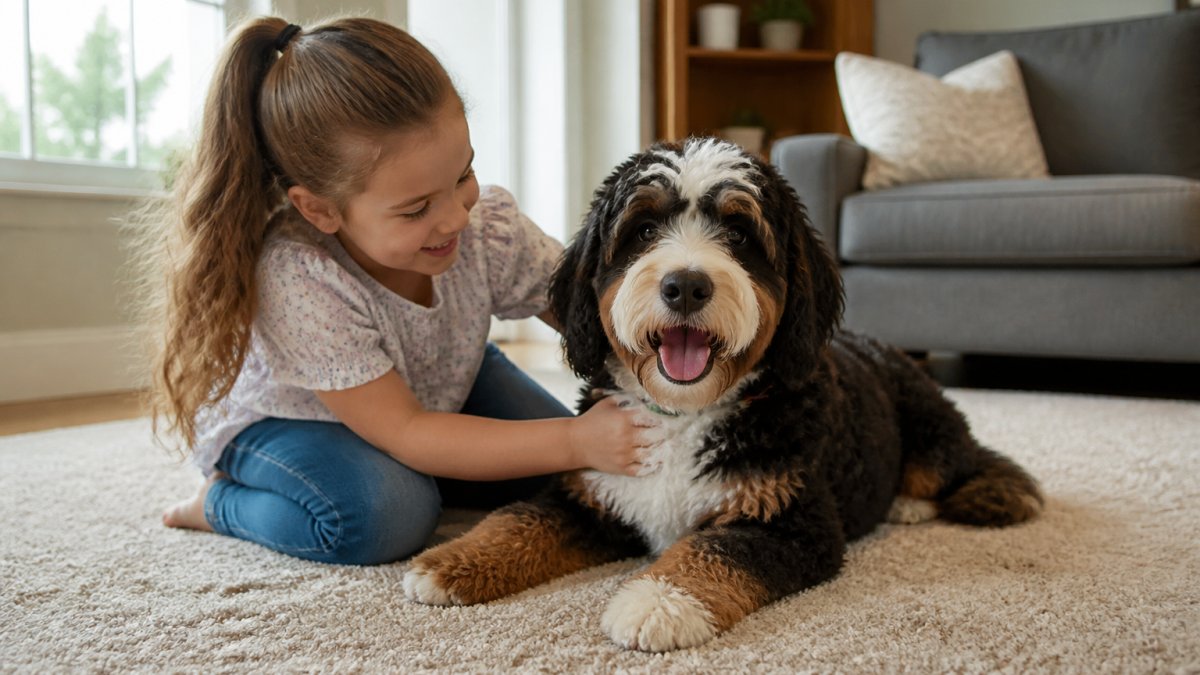
Bernedoodles are a cross between a Bernese Mountain Dog and a Poodle. They are often loved for their affectionate nature, soft coats, playful energy, and strong people focus. Still, every litter is different. Size, coat type, color, temperament, and energy level can vary, even among puppies from the same parents.
If a breeder has announced new Bernedoodle litters, the best next step is to learn what the early weeks look like, what good breeders do during that time, and how to prepare a home before pickup day. A little planning now can make the first days calmer, safer, and much more enjoyable.

What makes Bernedoodle litters unique
Bernedoodles can vary more than people expect. Because they come from two different breeds, puppies may inherit traits from either side of the family tree. That variety is part of their charm, but it also means buyers should look beyond color and markings.
Some puppies may be calm and cuddly. Others may be curious, bouncy, and quick to explore. Some coats may develop loose waves, while others may become curlier over time. Even a puppy that looks low-shedding at eight weeks can change as the adult coat comes in.
A good match starts with honest expectations.
Size can vary within the category
Bernedoodles are often described as standard, medium, mini, or tiny, depending on the breeder’s program and the parent dogs. These labels are useful, but they are not exact guarantees. A puppy’s adult size depends on genetics, growth pattern, nutrition, and the size of the parents.
When asking about a litter, look for a realistic range instead of a single promised number. Responsible breeders can often explain expected size based on past litters or parent history, but no one can predict adult weight perfectly.
Coats can look similar at first
Bernedoodle coats may be straight, wavy, or curly. Many families hope for a low-shedding coat, especially if someone in the home has allergies. A wavier or curlier coat may shed less, but no dog is truly guaranteed to be hypoallergenic.
If allergies are a concern, spend time around similar dogs when possible. Talk with the breeder about coat types in the litter, but be cautious of anyone who promises a puppy will never shed or will never trigger allergies.
Personality matters more than markings
It is easy to fall in love with a puppy’s face. Markings, color patterns, and eye-catching coats get attention first. Temperament should carry more weight.
A confident puppy that recovers quickly from new sounds may fit an active family. A softer puppy that seeks comfort may do better in a quieter home. Neither is “better.” The goal is the right fit.
Many breeders evaluate puppies over several weeks before helping families choose. That waiting period can feel long, but it often leads to better matches.
How Bernedoodle puppies grow during the first eight weeks
Puppies do not leave the whelping area ready for the world. Their first weeks include major physical, social, and emotional development. During that time, the breeder’s care matters.
Here is a general look at what happens before a puppy is ready to come home.
Age | What is happening | What good care often includes |
Birth to 2 weeks | Puppies sleep, nurse, and rely fully on their mother | Warmth, clean bedding, weight checks, quiet handling |
2 to 4 weeks | Eyes and ears open, puppies begin moving more | Gentle interaction, safe footing, early exposure to mild household sounds |
4 to 6 weeks | Puppies start playing, exploring, and eating soft food | Supervised play, litter box or potty area introduction, social contact |
6 to 8 weeks | Personalities become more visible, curiosity grows | Vet checks, age-appropriate vaccines, grooming exposure, crate introduction |
8 weeks and beyond | Puppies prepare for homes when ready | Pickup planning, feeding instructions, transition support |
The details vary by breeder and by puppy. Some puppies may need extra time before going home. That can happen with smaller puppies, slow eaters, or puppies that need more confidence.

Early socialization should be gentle
Early socialization does not mean overwhelming puppies with nonstop visitors, loud noises, or busy environments. At this age, the goal is controlled exposure.
That might include:
Soft household sounds
Different safe textures underfoot
Gentle brushing
Short moments away from littermates
Calm handling by familiar people
Safe toys with different shapes and surfaces
These early experiences can help puppies become more adaptable. They do not replace training after adoption, but they can make the first weeks at home smoother.
Health checks should be clear and documented
Before pickup, puppies should receive age-appropriate veterinary care. This often includes a wellness exam, deworming schedule, and first vaccines based on a veterinarian’s guidance.
Ask for documentation. A responsible breeder should be willing to explain what care has been given and what comes next. After bringing a puppy home, schedule a visit with a local veterinarian within the time frame recommended by the breeder or vet.
This article is general information only and does not replace veterinary advice for a specific puppy.
What to ask before choosing from a new litter
A new litter announcement can create urgency, especially if the puppies are adorable and availability is limited. Slow down enough to ask the right questions. A healthy, well-matched puppy is worth patience.
Start with the parent dogs.
Ask about the mother and father, including their size, temperament, coat type, and health background. Reputable breeders should be comfortable sharing information about both parents. If the sire is from another breeder or stud program, they should still be able to discuss why that pairing was chosen.
Then ask about the puppies’ daily care.
Good questions include:
Where are the puppies raised?
How often are they handled?
What early socialization do they receive?
What food are they eating?
When do they start weaning?
How are puppies matched with families?
What veterinary care will be completed before pickup?
What support is available after the puppy goes home?
Pay attention to the answers, but also to the tone. A careful breeder will ask questions too. They may want to know about the home, schedule, previous dog experience, children, other pets, and grooming plans. That is a good sign.
Watch for warning signs
Some warning signs are easy to miss when a litter is available right away. Be thoughtful if a seller avoids questions, refuses to show where puppies are raised, offers no vet records, or pressures for quick payment before providing basic information.
Other concerns include:
Puppies going home too young
No clear contract or health agreement
No information about parent dogs
Vague answers about size or coat expectations
Promises that sound too perfect
No plan for ongoing support
No breeder can control every outcome. They can control how they raise puppies, how honestly they communicate, and how prepared families are when puppies leave.

How to prepare your home before pickup day
The best time to puppy-proof is before the puppy arrives. Once a Bernedoodle puppy is home, the focus shifts quickly to potty breaks, naps, meals, and supervision.
Think of the first week as a soft landing. The puppy has just left the only home it has known. A simple setup works better than a house full of freedom.
Create one safe puppy zone
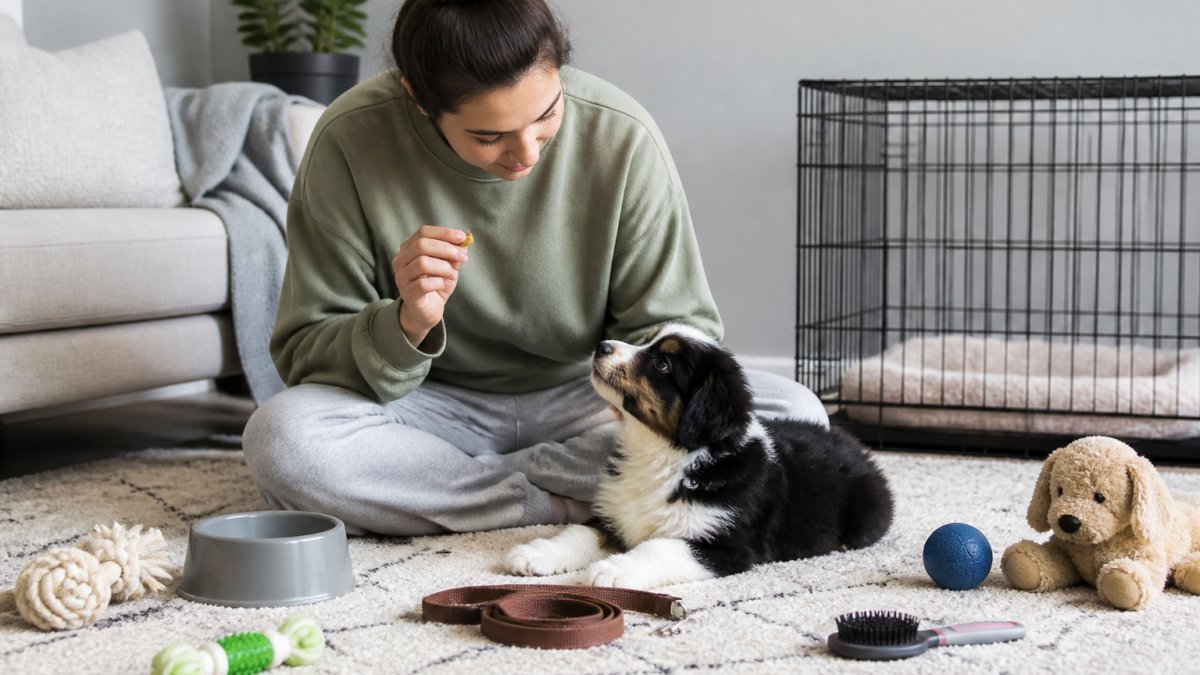
Choose a small area where the puppy can rest, eat, nap, and learn the routine. This may be a kitchen corner, family room area, or another easy-to-clean space. Use baby gates, a playpen, or a crate setup to keep the area safe.
The space should include:
A crate or cozy sleeping area
Food and water bowls
A few safe chew toys
Washable bedding
Cleaning supplies nearby
A potty plan that is easy to follow
Avoid giving a new puppy full access to the whole house. Too much space can lead to accidents, chewing, and stress.
Stock up on the right supplies
Waiting until the night before pickup often leads to rushed choices. Gather the basics early so the first few days feel calm.
Useful supplies include:
Adjustable collar or harness
Lightweight leash
Crate sized for the puppy’s current stage
Washable crate mat or bedding
Food recommended by the breeder
Puppy-safe chew toys
Stainless steel or ceramic bowls
Enzymatic cleaner for accidents
Grooming brush or comb
Nail clippers or grinder made for dogs
Puppy shampoo for later baths
Treat pouch for training sessions
Do not buy too many treats or toys at once. Puppies have preferences. Start with a few safe options, then adjust.
Plan the ride home
Pickup day is exciting, but the car ride can be stressful for a puppy. Bring a towel, wipes, water, a small bowl, and a secure carrier or passenger setup. Some puppies sleep the whole way. Others whine, drool, or get carsick.
Keep the ride calm. Avoid passing the puppy around or stopping at busy public places on the way home. Young puppies are still building immunity, so follow your veterinarian’s guidance about public exposure before vaccines are complete.
What the first days at home should look like
The first days are about routine, bonding, and gentle structure. A Bernedoodle puppy will need time to adjust to new smells, people, sounds, and sleep patterns.
Keep expectations realistic. Even a well-raised puppy may cry at night, have accidents, chew the wrong thing, or seem unsure at first. That does not mean anything is wrong. It means the puppy is learning.
Keep the schedule simple
A predictable rhythm helps puppies settle. Most young puppies need frequent potty breaks, regular meals, playtime, and lots of sleep.
A simple daily pattern might look like this:
Wake up and go outside right away.
Eat breakfast.
Go outside again.
Play or train for a short time.
Nap in the crate or puppy zone.
Repeat through the day.
Take the puppy outside after waking, eating, drinking, playing, and sniffing around. Praise calmly when the puppy goes in the right place.
Start training right away, but keep it short
Training does not need to be formal at first. Short sessions work best. A few minutes at a time can teach a puppy that listening is fun.
Start with:
Name recognition
Coming when called indoors
Sitting for attention
Walking calmly on a leash indoors or in the yard
Settling in the crate
Handling paws, ears, and collar gently
Use small rewards and a happy voice. End before the puppy gets frustrated or tired.
Protect sleep time
Puppies need a lot of sleep. An overtired puppy may bite more, bark more, and struggle to settle. Families often mistake tired behavior for extra energy.
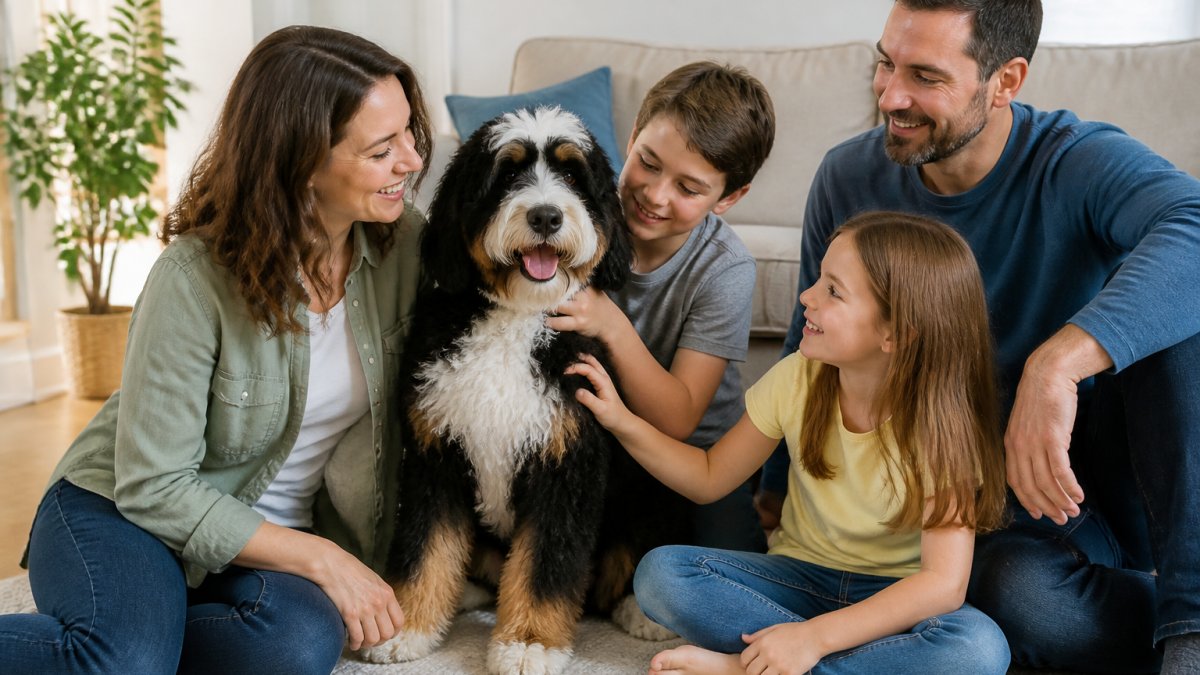
Build naps into the day. A crate or quiet pen can help the puppy rest without constant stimulation. If there are children in the home, teach them that sleeping puppies should be left alone.

Grooming and care plans to set early
Bernedoodle coats need regular care. The curlier the coat, the more likely it is to mat without consistent brushing. Mats can become uncomfortable and may need to be shaved out by a groomer.
Start grooming habits early, even if the puppy’s coat still feels fluffy and easy. Short, positive sessions matter more than long brushing marathons.
Focus on these areas:
Behind the ears
Under the collar
Armpits
Chest
Tail area
Legs and paws
Introduce the brush slowly. Give a treat, brush a little, then stop. Handle paws often so nail trims become less stressful. Let the puppy hear clippers or a blow dryer from a distance before using them up close.
Professional grooming will likely become part of regular care. Ask the breeder when to schedule the first grooming appointment and what haircut length works best for the coat type.
Food changes should be gradual
Most puppies do best when they stay on the breeder’s food at first. A sudden food switch can upset digestion. If a change is needed, ask a veterinarian how to transition slowly.
Fresh water should always be available. Treats should stay small, especially during the first week, when stress and rich foods can bother a puppy’s stomach.
Vet care should be scheduled early
Book a veterinary visit soon after pickup. Bring any health records from the breeder. The vet can review the vaccine schedule, discuss parasite prevention, check growth, and answer questions about food, exercise, and safe socialization.
Avoid high-impact exercise while the puppy is growing. Bernedoodles, especially larger ones, need age-appropriate activity. Short play sessions, gentle walks, and training games are better than long runs or repeated jumping.
Matching excitement with preparation
A new Bernedoodle litter is easy to celebrate. The photos, the tiny paws, and the first personality updates all make the wait feel real. The most prepared homes look past the excitement and think about the puppy’s daily life.
Before bringing a puppy home, aim to know three things clearly:
What the breeder has done to support health and early development
What the puppy needs during the transition
What routines the home will follow from day one
That preparation does not remove every challenge. Puppies are messy, busy, and still learning. It does make the hard parts easier to handle.
The best start is simple: choose carefully, ask thoughtful questions, set up a safe space, and give the puppy time to settle. A Bernedoodle raised with care and welcomed with patience has a much better chance to grow into the steady, affectionate companion people hope for.
Comments